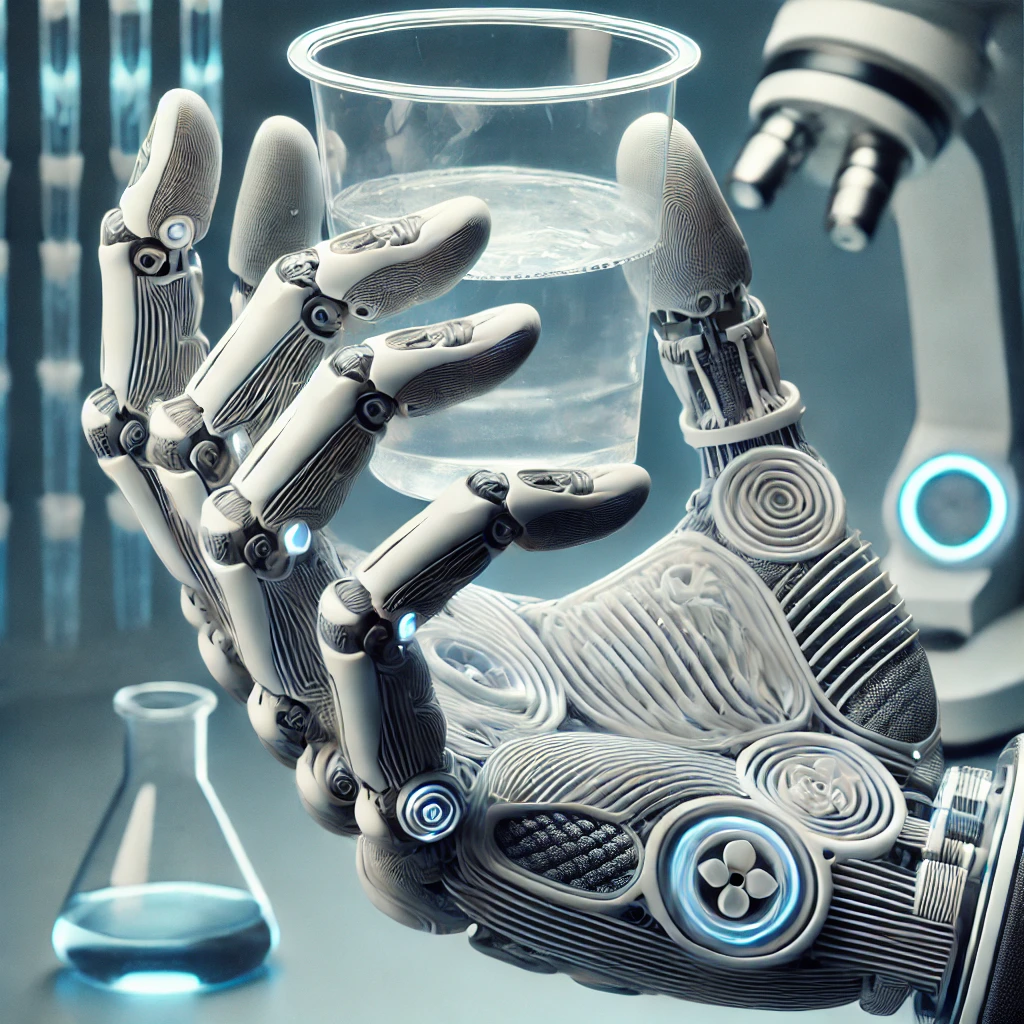
A Leap Forward in Prosthetic Technology
Researchers at Johns Hopkins University have unveiled a groundbreaking prosthetic hand that not only mimics the dexterity of the human hand but also possesses the ability to sense and adapt its grip in real-time. This innovation represents a significant advancement in the field of prosthetics, offering enhanced functionality and a more natural user experience.
Key Features of the Bionic Hand
-
Hybrid Structural Design: The prosthetic combines rigid 3D-printed components with soft, rubber-like polymers, allowing for both strength and flexibility. This design enables the hand to conform to various object shapes, ensuring a secure yet gentle grip.
-
Advanced Sensory Integration: Equipped with multiple layers of tactile sensors inspired by human skin, the hand can detect pressure, texture, and slippage. This sensory feedback allows for precise adjustments during object manipulation.
-
Neural Feedback Mechanism: Utilizing machine learning algorithms, the prosthetic translates sensory data into nerve-like signals. These signals are transmitted to the user’s forearm nerves through electrical stimulation, providing a sensation akin to natural touch.
Performance and Testing
In laboratory evaluations, the bionic hand demonstrated the ability to identify and handle a diverse array of objects, from delicate items like stuffed toys to sturdy objects such as metal water bottles. Notably, it successfully grasped a thin plastic cup filled with water using just three fingers, without causing any deformation or spillage. The device achieved a remarkable 99.69% success rate in these tasks, outperforming existing prosthetic technologies in both accuracy and adaptability.
Implications for the Future
This development holds significant promise for individuals with limb loss, offering a prosthetic option that closely replicates the functionality and sensory experience of a natural hand. Beyond personal use, the hybrid design principles applied in this prosthetic could influence future advancements in robotics, particularly in areas requiring delicate and precise object handling.
Continued Research and Development
The research team, led by biomedical engineer Sriramana Sankar, aims to further refine the bionic hand’s capabilities. Future enhancements may include increased grip strength, additional sensory modalities, and the incorporation of durable, industrial-grade materials to extend the device’s lifespan and functionality.
This innovative prosthetic hand represents a significant step toward more natural and intuitive prosthetic devices, bridging the gap between human ability and robotic assistance.


Leave a Reply